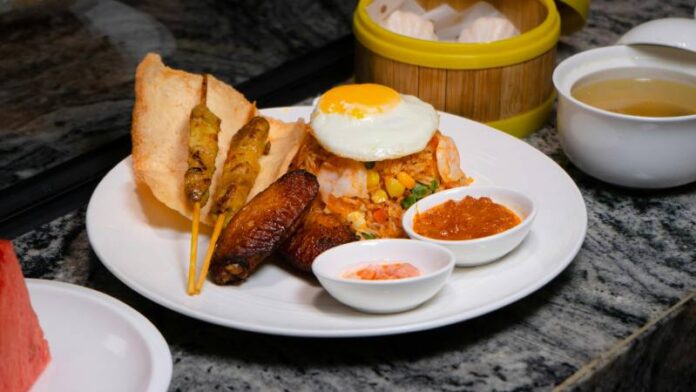
Southeast Asia is known worldwide for its vibrant and diverse culinary traditions, from the aromatic curries of Thailand to the delicate pho of Vietnam and the mouth-watering satays of Indonesia. But in recent years, something exciting has been happening: a culinary revolution. Across the region, chefs are experimenting with fusion flavors, blending traditional dishes with global influences, and creating innovative new food experiences that are drawing the attention of food lovers both locally and internationally.
This exciting fusion wave is not only transforming the way Southeast Asians eat but also how the world views the region’s cuisine. Here’s a look at the key trends and standout dishes that are pushing the boundaries of Southeast Asian cooking.
The Rise of Fusion Cuisine in Southeast Asia
Fusion cuisine is not a new concept, but it is certainly evolving in Southeast Asia. Traditionally, food from countries like Thailand, Vietnam, Malaysia, and Indonesia has been defined by its distinctive regional flavors—sweet, sour, salty, and spicy in perfect balance. But now, chefs are blending these bold, local ingredients with influences from around the world. The result? A fresh take on classic dishes that surprises and delights diners.
One example is “Makan Modern”, a restaurant in Singapore that is redefining traditional Southeast Asian food by incorporating contemporary techniques and international ingredients. Their Laksa Risotto combines the spicy, coconut-rich soup base of the iconic laksa with creamy Italian risotto, creating a dish that’s both comforting and complex.
“Our aim is to take the essence of traditional dishes and elevate them with global influences,” says chef-owner, Yvette Tan. “We want to create something familiar, yet new.”
The Global Fusion Impact: French, Italian, and Japanese Influences
French, Italian, and Japanese techniques are particularly popular in Southeast Asian fusion cuisine. In Vietnam, you might find Bánh Mì with a Japanese twist—Sushi Bánh Mì—where the classic Vietnamese sandwich is filled with sushi rice, raw fish, and wasabi mayo. The combination of French-inspired baguettes and Japanese sushi elements reflects the hybridization of global culinary styles.
In Thailand, renowned chefs are experimenting with French techniques in preparing local ingredients, such as sous-vide cooking for Massaman curry or crafting Mango Sticky Rice with a caramelized French pastry twist. These refined techniques give traditional dishes a contemporary flair, surprising diners with elevated textures and flavors that highlight the complexity of Thai cuisine.
In Malaysia, Nasi Lemak, traditionally a simple dish of rice cooked in coconut milk, sambal, and fried chicken, has been reimagined with Italian influences, featuring Nasi Lemak Risotto with a creamy, cheesy base, topped with sambal-glazed pork belly.
Creative Cross-Country Influences: The Southeast Asian Melting Pot
Perhaps the most exciting aspect of Southeast Asia’s culinary revolution is the cross-pollination of flavors between neighboring countries. With a shared history of trade, colonialism, and cultural exchange, countries like Malaysia, Singapore, and Indonesia have long influenced each other’s food. Now, chefs are drawing inspiration from across the region to create dishes that celebrate this diversity.
In Singapore, the Peranakan or Straits Chinese cuisine—an amalgamation of Chinese and Malay flavors—has become a canvas for culinary experimentation. Laksa Pasta, where the iconic spicy noodle soup is combined with al dente pasta, is one of the most popular dishes in contemporary Peranakan restaurants.
Meanwhile, in Indonesia, the food scene is also evolving. Sate (satay), traditionally skewered meat grilled over charcoal, is being transformed into fusion dishes like Sate Taco—a crispy taco shell filled with satay chicken and spicy peanut sauce. The dish merges Indonesian street food with Mexican flavors, bridging the gap between two diverse culinary traditions.
In the Philippines, fusion food has taken on a more playful approach, with dishes like Adobo Burger, which takes the beloved Filipino stew (adobo) and serves it as a juicy burger patty, combining two favorite foods in one. Filipino Sushi, featuring fresh tuna topped with a tangy vinegar-based sauce, has also become a hit in Manila’s trendiest restaurants.
Sustainability and Local Sourcing: A Key Focus for Fusion Chefs
Along with innovation, there’s a strong emphasis on sustainability in the region’s food scene. Many chefs are focusing on local sourcing and using seasonal ingredients to elevate their dishes. Whether it’s incorporating indigenous herbs, tropical fruits, or sustainable seafood, the commitment to supporting local farmers and fishermen is central to this fusion movement.
In Thailand, chefs are working closely with small-scale farmers to create dishes using native Thai herbs that are often overlooked by mainstream restaurants. In Vietnam, the recent popularity of plant-based fusion food is taking off with dishes like Vegan Pho, where traditional beef broth is replaced with mushroom and herb-infused stocks.
One standout example of sustainability in fusion cuisine is Bangkok’s Bo.lan, where chefs Duangporn “Bo” Songvisava and Dylan Jones offer a tasting menu that combines local Thai ingredients with modern techniques while prioritizing sustainable farming practices.
The Future of Southeast Asian Fusion Cuisine
As Southeast Asia continues to embrace culinary experimentation, the future of fusion food looks incredibly promising. Chefs are blending flavors, techniques, and ingredients from all over the world, while still honoring the rich traditions of the region. From Vietnamese sushi to Thai tapas, the possibilities for fusion cuisine are as diverse and dynamic as the countries themselves.
“Fusion food is a way of bringing cultures together,” says chef and food consultant, Penny Choong. “It’s about sharing stories through food and creating something that’s both new and familiar. It’s a reflection of our interconnected world.”
As Southeast Asia continues to grow as a food destination, there’s no doubt that the region’s culinary revolution will keep surprising and delighting both locals and international diners. Whether you’re exploring a street food market in Bangkok or dining at a fine restaurant in Singapore, the fusion flavors of Southeast Asia are taking the world by storm—and there’s no turning back.

