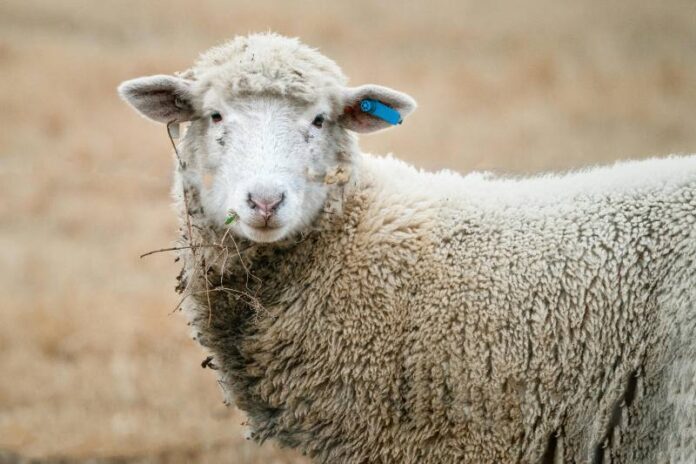
For much of its modern history, New Zealand ran on four legs.
Sheep paid for the roads, the schools, the hospitals, and the welfare state. They shaped the landscape, the economy, and the country’s sense of itself. At one point, there were more than 70 million sheep in a nation of barely three million people.
This is the story of how sheep built New Zealand — and what happened when that world began to unravel.
A Perfect Land for Wool
When European settlers arrived in the 19th century, they found a country almost purpose-built for sheep.
Mild temperatures.
Reliable rainfall.
Vast grasslands.
Few predators.
Sheep thrived. Wool became the first great export, followed by meat once refrigeration made long-distance shipping possible. By the early 20th century, New Zealand was one of the world’s most efficient pastoral economies.
The countryside filled with farms. Rural towns flourished. The national economy hummed along to the rhythm of shearing seasons and lambing cycles.
Britain’s Farm in the South Pacific
For decades, New Zealand was essentially Britain’s offshore farm.
Meat, butter, cheese, and wool flowed to British markets under preferential trade arrangements. In return, New Zealand imported manufactured goods and lived under the comforting assumption that Britain would always buy what it produced.
This arrangement shaped everything:
- Farming dominated exports
- Government policy protected agriculture
- Rural values dominated politics
New Zealand became prosperous, stable, and deeply dependent.
Refrigeration Changed Everything
One invention sealed sheep’s dominance: refrigerated shipping.
From the 1880s onward, frozen meat could be shipped halfway around the world without spoiling. This transformed sheep from a local resource into a global export machine.
Suddenly, New Zealand wasn’t just growing wool — it was feeding an empire.
Refrigeration tied farmers, ports, railways, and cities into a single system. Sheep became infrastructure.
The Golden Age of the Flock
By the mid-20th century, sheep were everywhere.
At its peak in the early 1980s, New Zealand had over 70 million sheep. Farming was heavily subsidised. Guaranteed prices smoothed out bad years. Rural life was idealised as the backbone of the nation.
Sheep underwrote New Zealand’s welfare state, funding free education, healthcare, and social security.
It was a golden age — and a fragile one.
When the Wool Fell Off the Sheep’s Back
The model began to break in the 1970s and 80s.
Britain joined the European Economic Community. Subsidies became unaffordable. Global wool prices collapsed as synthetic fibres took over.
Then came the economic reforms.
Farm subsidies were abolished almost overnight. Many farmers were pushed to the brink. Some lost land that had been in families for generations. Rural towns shrank. The sheep population plunged.
Within a few decades, sheep numbers more than halved.
Reinvention in the Paddock
But New Zealand farming didn’t die — it adapted.
Farmers diversified into dairy, horticulture, wine, deer, and high-value niche products. Sheep farming itself became more specialised, focused on productivity rather than sheer numbers.
Technology, genetics, and marketing replaced volume and protection.
New Zealand stopped being Britain’s farm — and became a global food exporter in its own right.
Sheep as Identity
Even as their economic dominance faded, sheep never left the national imagination.
They remain shorthand for New Zealand itself — a symbol of rural ingenuity, isolation, and quiet resilience. Jokes about sheep still circulate. So does pride.
Sheep built the nation’s foundations, even if they no longer carry the whole weight.
The End of an Era — and a Beginning
The story of sheep in New Zealand is not just about agriculture.
It’s about dependence and adaptation.
About what happens when a small country outgrows a comfortable model.
About how identity lingers long after economics change.
Sheep built New Zealand.
What followed built its future.

